Trusted Ice Salt in Wisconsin
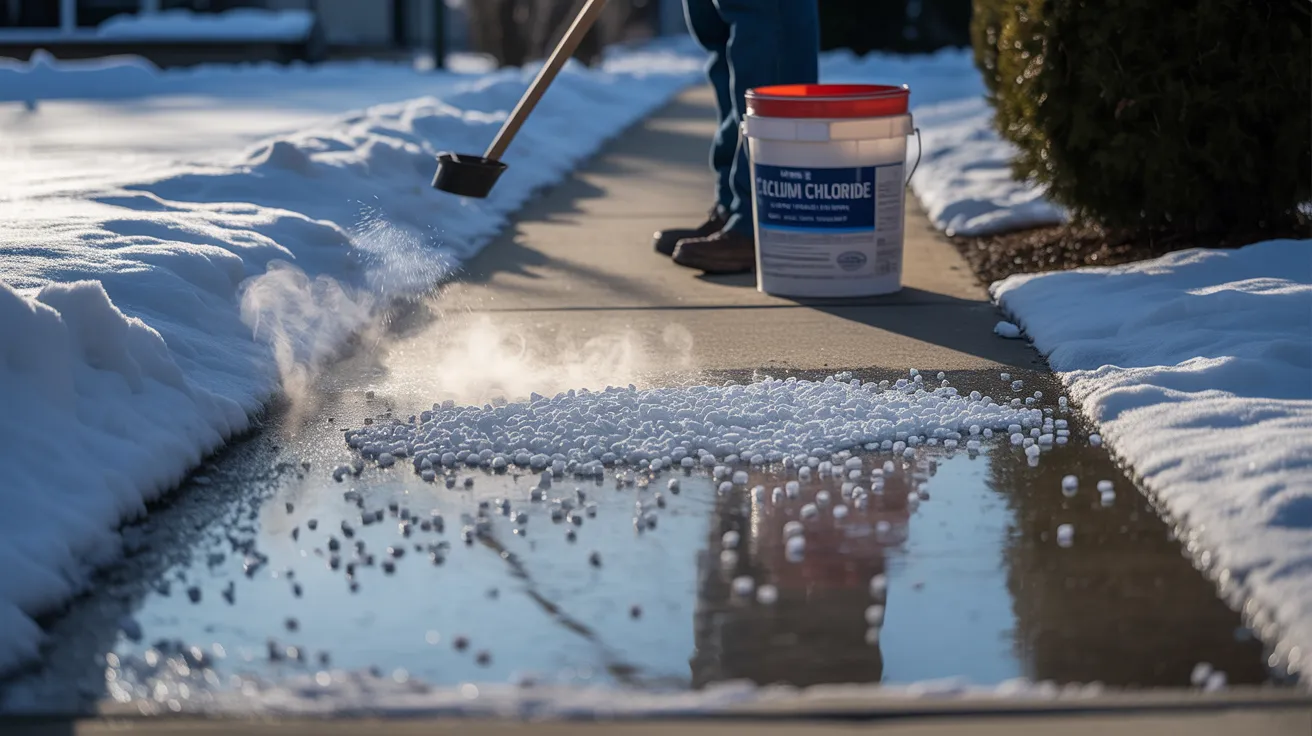
Selecting ice melt in Little Chute, factor in pavement temperature. Apply calcium chloride in conditions down to −25°F and choose rock salt at 15-20°F. Spread ice melt 1-2 hours prior to snow, then apply as needed after shoveling. Configure your spreader and aim for thin, even coverage to minimize runoff. Prevent chlorides on new or damaged concrete; consider using calcium magnesium acetate for sensitive surfaces. Safeguard pets by using rounded, low-chloride blends and clean entryways. Store products sealed, dry, and chemically separated. Looking for specific guidance on dosages, timing, and sourcing?
Critical Findings
- For Little Chute winters, spread calcium chloride when temperatures drop below zero and use rock salt when the pavement temperature is above 15-20°F.
- Spread a light calcium chloride tack coat one to two hours before snow to avoid snow adhesion.
- Calibrate your spreader; spread about 1-3 ounces per square yard and reapply only where ice remains after plowing.
- Safeguard concrete that's less than one year old and landscaping perimeters; apply calcium magnesium acetate near sensitive areas and ensure pellets stay away from greenery.
- Pick animal-friendly rounded granules and mix in sand for traction below the product, then brush remaining product back onto walkways to reduce runoff.
How Ice Melt Functions on Frozen Surfaces
Although it looks simple, ice melt functions by lowering water's freezing point allowing ice changes to check here liquid at colder temperatures. When you apply ice melt pellets, they break down into brine that infiltrates the ice-snow connection. This brine interrupts the crystalline formation, decreasing bond strength and creating a lubricated layer that lets you clear and shovel successfully. As the melting begins, the process pulls latent heat from the area, which can slow down progress in extreme cold, so apply thin, even coverage.
To achieve optimal results, remove loose snow before starting, then apply to any compressed snow layers. Make sure to protect delicate areas and plants. Use sparingly, as overuse of salt causes unwanted runoff and ice formation when the solution becomes too diluted. Apply a small amount after clearing to ensure a safe, textured surface.
Picking the Most Effective De-Icer for Wisconsin Winter Weather
Understanding how brine works to break bonds and initiate melting, choose an ice melt solution that works effectively at the weather conditions you experience in Wisconsin. Align your ice melt choice with expected weather patterns and pedestrian flow to ensure safe and efficient walkways.
Apply rock salt when pavement temps hover close to 15-20°F and above. This option is economical and delivers effective traction, but it decreases dramatically below its practical limit. If cold snaps drop toward zero, switch to calcium chloride. This solution releases heat upon contact, starts melting even at -25°F, and acts rapidly for controlling refreezing.
Implement a strategic method: begin by applying a gentle calcium chloride application prior to storms, and then selectively apply rock salt for post-storm ice control. Carefully calibrate spreaders, strive for even, thin coverage, and reapply only as needed. Observe pavement temperature, not just air temperature.
Concrete, Landscaping, and Pet Safety Considerations
While optimizing for ice melt effectiveness, safeguard concrete, plants, and pets by aligning chemistry and application rates to environmental needs. Check concrete curing age: steer clear of chlorides on concrete less than 12 months old and on scaled, cracked, or exposed-aggregate surfaces. Choose calcium magnesium acetate or potassium acetate near vulnerable concrete; restrict sodium chloride where freeze-thaw cycling is severe. For landscaping, keep pellets off beds; employ barriers and redirect excess to paved surfaces. Opt for products with low chloride content and add sand for traction when temperatures decrease beyond product efficacy.
Safeguard pet paws with rounded particles and stay away from temperature-raising products that spike surface heat. Rinse entryways to reduce salt deposits. Maintain proper pet hydration to mitigate ice melt intake; use protective footwear where possible. Store winter safety products properly sealed, lifted, and away from animals.
Essential Tips for Efficient, Professional Results
Fine-tune your application for quick melting and reduced mess: pre-treat ahead of storms, adjust your spreader settings, and distribute the correct quantity for the treatment and weather. Coordinate pre-treatment with incoming storms: spread a light bonding layer 1-2 hours before snow to stop ice bonding. Use granular spreading techniques with a spread pattern overlapping boundaries without tossing product into yards or doorways. Verify spread rates with a catch test; aim for 1-3 oz per square yard for most salts above 15°F, using less for high-performance blends. Pay special attention to trouble spots-north exposures, downspouts, and shaded steps. Post-plowing, add product only to exposed areas. Recover excess material back into the working path to maintain safety, minimize indoor tracking, and decrease slip hazards.
Best Practices for Storage, Handling, and Environmental Management
Store de-icers in sealed, labeled containers in a dry, cool location away from drainage systems and reactive materials. Use products with protective gloves, safety goggles, and calibrated spreaders to prevent skin contact, dust inhalation, and over-application. Shield vegetation and waterways by spot-treating, sweeping up excess, and choosing chloride-reduced or acetate-based options where appropriate.
Proper Storage Conditions
While ice-melting salt may seem low risk, store it like a controlled chemical: store bags sealed in a protected, covered area above floor level to avoid moisture uptake and caking; keep temperatures above freezing to avoid clumping, but away from heat sources that may compromise packaging. Use climate controlled storage to hold relative humidity below 50%. Utilize humidity prevention strategies: humidity control units, vapor barriers, and properly sealed door seals. Arrange pallets on racking, not concrete, and create airflow gaps. Inspect packaging every week for tears, crusting, or wet spots; repackage compromised material immediately. Segregate different chemistries (NaCl, CaCl2, MgCl2) to minimize cross-contamination. Place secondary containment to collect brine leaks. Maintain storage at least 100 feet from wells, drains, and surface water. Label inventory and rotate FIFO.
Secure Handling Procedures
Safe handling procedures begin before opening any bag. Make sure to check the product's identity and potential risks by reviewing labels and Safety Data Sheets. Select appropriate PPE based on exposure risk: Choose gloves appropriate for the material properties (use nitrile with chlorides, neoprene gloves for mixed materials), factoring in cuff length and temperature ratings. Ensure you have eye protection, long sleeves, and appropriate boots. Avoid all skin and eye contact; avoid facial contact while handling.
Use a scoop, not your hands and maintain bag stability to avoid unexpected spills. Position yourself upwind to reduce dust inhalation; wearing a dust mask helps during pouring. Use a broom to clean small spills and collect for future use; don't rinse salts into drainage systems. Wash hands and equipment after use. Keep PPE in a dry place, regularly check for damage, and promptly replace damaged gloves.
Eco-Friendly Application Methods
Once PPE and handling measures are established, concentrate on reducing salt usage and drainage. Calibrate a hand spreader to deliver 2-4 ounces per square yard; spot-treat high-risk zones first. Pre-treat before storms with a brine (23% NaCl) to decrease product consumption and improve surface bonding. Select materials or mixtures with renewable sourcing and biodegradable packaging to cut lifecycle impacts. Store bags on pallets under cover, away from floor drains; employ contained storage with backup protection. Keep spill kits ready; gather and repurpose scattered particles-don't flush pavements. Preserve 5-10 feet setbacks from water sources, wellheads, and drains; place barriers or filters to catch runoff. Remove leftover material following melt. Record spreading rates, ground conditions, and effectiveness to refine doses and prevent over-application.
Little Chute's Guide to Local and Seasonal Food Shopping
Source ice-melting salt locally in Little Chute between early autumn and the initial hard frost to optimize product quality, cost, and supply risk. Focus on suppliers that document sieve sizes, chloride percentages, and anti-caking agents. Obtain product documentation and batch uniformity. Make early purchases at farmers markets, community co ops, and hardware outlets to prevent weather-related cost increases. Compare bulk versus bagged units; analyze storage limitations and cost per pound.
Pick deicing materials according to pavement type and temperature range: spread sodium chloride in mild winter conditions, advanced chloride compounds for extreme cold, and enhanced mixtures to accelerate melting. Keep sealed bags elevated off ground surfaces and away from drains. Follow sequential inventory rotation. Stock emergency supplies like spill kits, gloves, and eye protection accessible. Monitor application rates by storm to manage future orders.
FAQ
What's the Shelf Life of Opened Ice Melt?
Opened ice melt usually remains potent 1-3 years. You can maximize longevity if you manage storage conditions: maintain it in a sealed, cool, and dry environment to avoid moisture uptake and clumping. The salts naturally attract moisture, accelerating chemical breakdown and reduced melting performance. Avoid temperature extremes, direct sunlight, and dirt and organic matter contamination. Use airtight containers or reseal bags properly. If it becomes clumpy or develops brine, test on a small area and replace as needed.
Can I Mix Different Brands of Leftover Season Blends Safely?
Yes, you can mix leftover blends, but verify chemical compatibility first. Read the packaging to avoid combining calcium chloride with urea-based or sanded products that clump or react. Prevent water exposure to avoid heat-generating clumping. Sample a minor portion in a dry receptacle. Coordinate usage with weather conditions: select calcium chloride for freezing temperatures, magnesium blends for moderate cold, sodium chloride above 15°F. Maintain the blend in an airtight, marked container away from metallic materials and spots where concrete could be affected. Don protective equipment for hands and eyes.
How Can I Stop Salt from Damaging My Home's Floors
Place a dual mat system with exterior and interior coverage; use a boot tray for shoe removal. Vacuum granules immediately and wipe down the area with a neutral pH cleaner to avoid etching. Seal porous flooring. Add rubber protection to stairs and brush boots before entry. Example: A duplex owner cut salt tracking 90% by adding a textured entry mat, a grooved shoe tray, and a weekly mop routine. Place melting agents away from indoor spaces.
Are There Rebate Programs or Bulk Discounts From Local Municipalities?
Indeed. Numerous local governments provide group buying options and government rebates for de-icing materials. Applications are usually submitted through public works or purchasing portals, including usage details, safety data sheets, and volume requirements. Confirm participation criteria for homeowners, HOAs, or small businesses, and confirm delivery logistics and storage safety. Review costs per ton, chemical composition, and anti-corrosion additives. Check for seasonal restrictions, processing times, and return policies. Maintain usage logs and preserve invoices to meet audit requirements and maintain environmental compliance.
What Emergency Backup Plans Work When Stores Run Out in Storms?
If shops are out of ice melt, you have several backup options - preventing falls is crucial. Spread sand for better grip, create barriers with sandbags for water management, and apply coarse materials like gravel or cat litter. Mix equal parts rubbing alcohol and water to dissolve icy buildup; remove promptly. Use dehumidifier calcium chloride if available. Place warming mats at entry points; continue removing snow in thin layers. Use ice cleats, indicate hazardous zones, and ensure proper ventilation when using alcohol solutions. Inspect drain areas to prevent refreezing issues.
Final Thoughts
You understand how ice melt controls moisture, decreases melt-refreeze, and preserves traction. Match de-icer chemistry to Wisconsin's winter, shield surfaces, greenery, and pets, and use precise application techniques. Remove excess, store securely, and select sustainably to safeguard soil and stormwater. Source locally in Little Chute for consistent availability and economic benefits. With strategic picking, precise distribution, and consistent containment, you'll keep walkways walkable-safer, drier, and damage-free-through sequences of harsh winter conditions. Safety, stewardship, and strategy stay synchronized.